How to Choose the Perfect Colored Pencil Set: A Buyer's Guide for Distributors
- Share
- publisher
- H&B Art Team
- Issue Time
- Aug 9,2026
Summary
A practical buying guide for art supply distributors and importers covering pencil grades, core types, count selection, packaging, and MOQ strategy—everything you need to source the right colored pencil sets for your market.
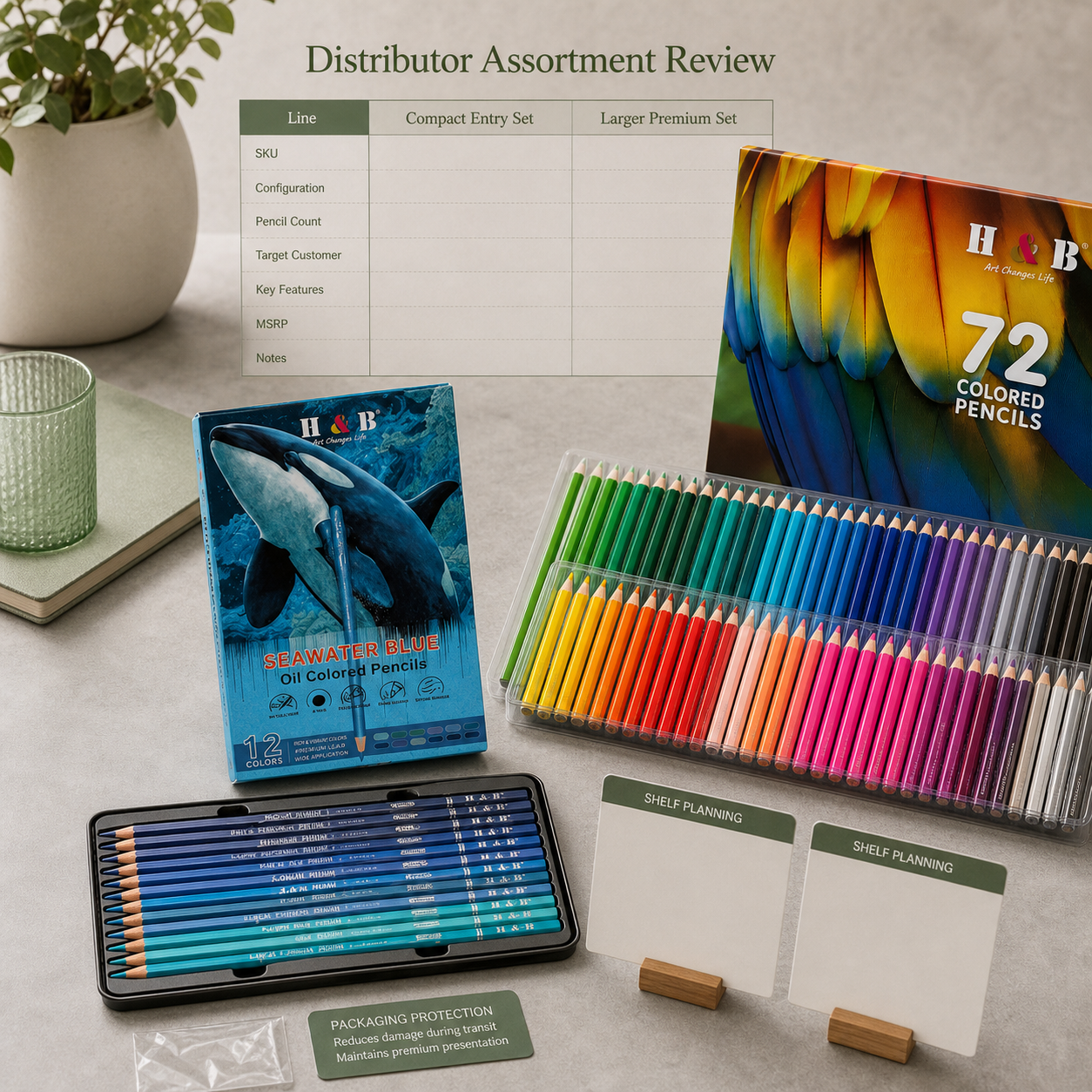
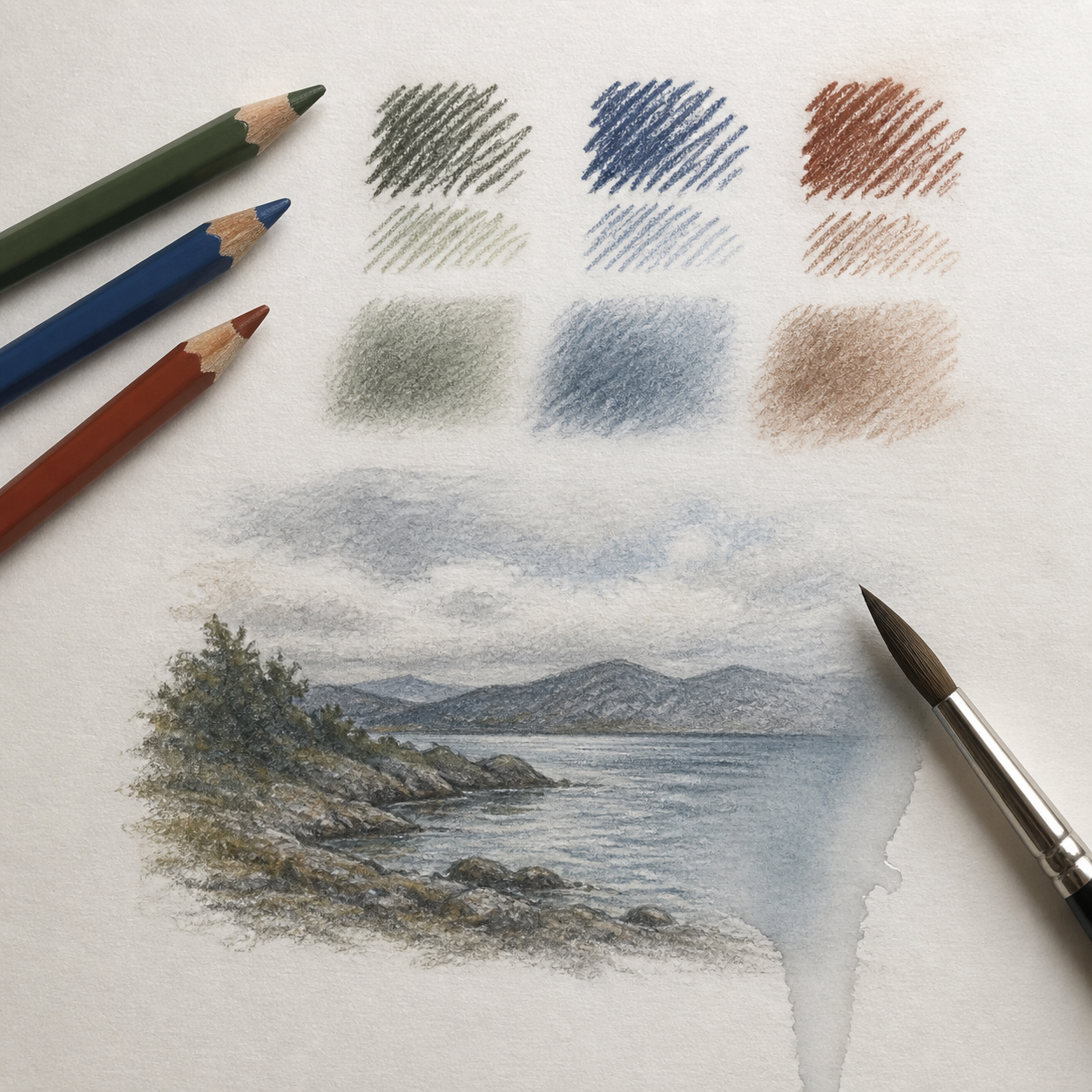
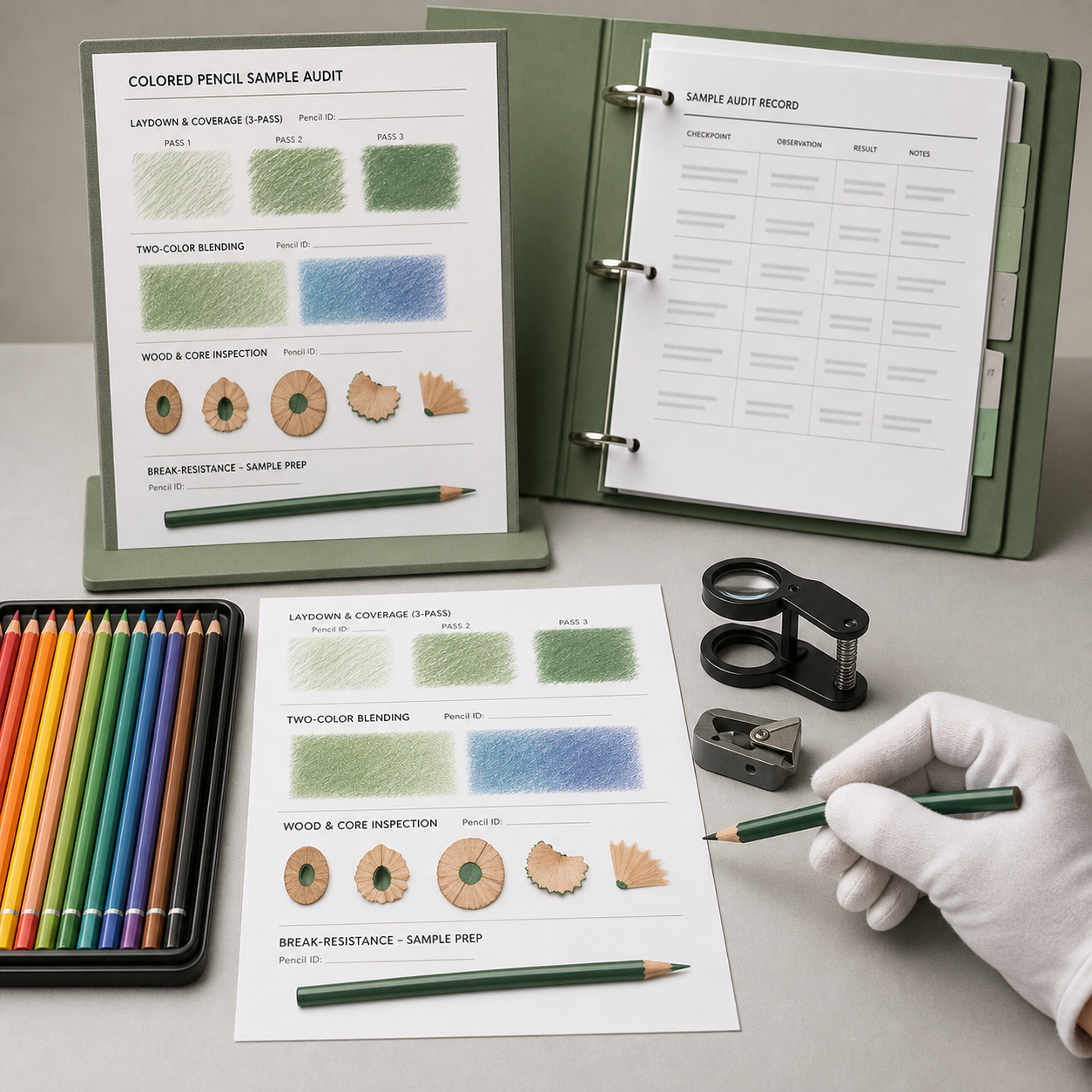
Colored pencil sets account for a significant share of global art supply imports. For distributors, retailers, and OEM brand owners, choosing the wrong set—wrong grade, wrong count, wrong core type—means slow-moving inventory and margin loss. This guide gives you a decision framework built on what matters most to your end buyers: pigment quality, core durability, color range, and packaging appeal. Before reviewing any catalog, answer three questions: The core (the colored part inside the pencil) determines layering ability, blending quality, and breakage rate. The three main types and their distributor implications: Firm and break-resistant. Ideal for children and school sets. Produces clean lines; not the best for blending. Lower pigment load keeps costs down—best for mass-market retail and school supply chains. Softer, creamier, and richer in color payoff. Excellent for blending and layering. Popular with adult hobbyists and art students. Higher breakage risk in transit—specify individual sleeve packaging for import orders. Dual-function: dry coloring + watercolor wash effect. Fastest-growing segment driven by adult coloring book trends. Commands a 20–35% price premium over standard sets. Strong impulse buy at gift retail. Count selection is not just about more colors—it directly affects shelf placement, retail pricing tier, and your inventory risk. Use this reference table: A common distributor mistake is importing only 72-color sets. Stocking a 24-color entry SKU alongside a 72-color mid-tier gives buyers a clear upgrade path and raises average basket size. Packaging affects perceived value, protection in transit, and shelf turn rate. Key formats to know: Sourcing without verifying certifications is the fastest way to fail a customs check or retail buyer audit. Before placing any order, confirm: H&B Art holds ASTM D-4236 and EN71-3 certifications across our full colored pencil range. Request our compliance documentation pack before sampling. Never commit to a full production run without a physical sample evaluation. Use this 5-point test protocol: Explore our manufacturing range directly relevant to this guide. Click any product for full specs, MOQ, and OEM options: H&B Art manufactures and exports colored pencil sets across 12–180 color counts, covering oil-based, wax-based, and water-soluble formulations. We support OEM from 300 units and maintain in-stock inventory for standard SKUs with 15-day lead times. Full compliance documentation (ASTM, EN71, CE, REACH) is available on request. Request a sample pack and pricing sheet — our team responds within 24 hours.Why the Right Colored Pencil Set Makes or Breaks Your Distribution Business
Step 1 — Define Your Target Market Segment
Step 2 — Understand Core Types and What They Mean for Sales
Oil-Based Cores
Wax-Based Cores
Water-Soluble Cores
Step 3 — Selecting the Right Color Count for Each Channel
Color Count Best For Typical Retail Tier MOQ Signal 12 / 24 colors Children's toys, party favors, school starters Budget / Value High volume, low MOQ 36 / 48 colors School art programs, mid-range gift sets Mid-market Balanced 72 / 120 colors Hobbyist and artist segments, specialty retail Premium Lower volume, higher MOQ 150 / 180 colors Professional artists, gift boxes, flagship SKUs Luxury / Gift Custom packaging typical 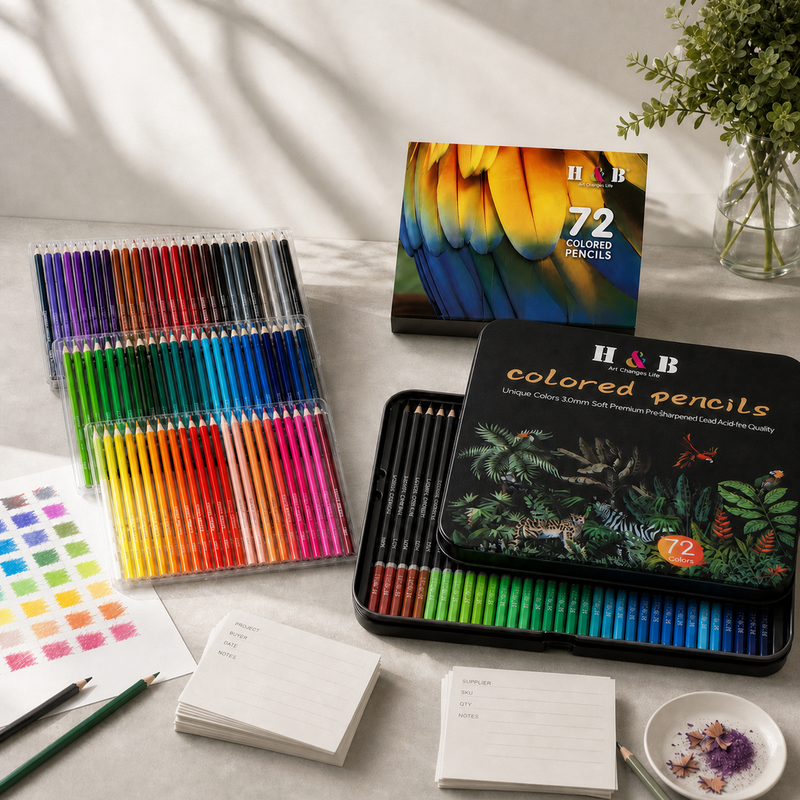
Step 4 — Evaluate Packaging for Your Sales Channel
Step 5 — Compliance and Certification Checklist
Step 6 — Sampling Protocol Before You Commit to MOQ
Related Products from H&B Art
Why Distributors Choose H&B Art as Their Colored Pencil Source